
"How Can These Things Be?"
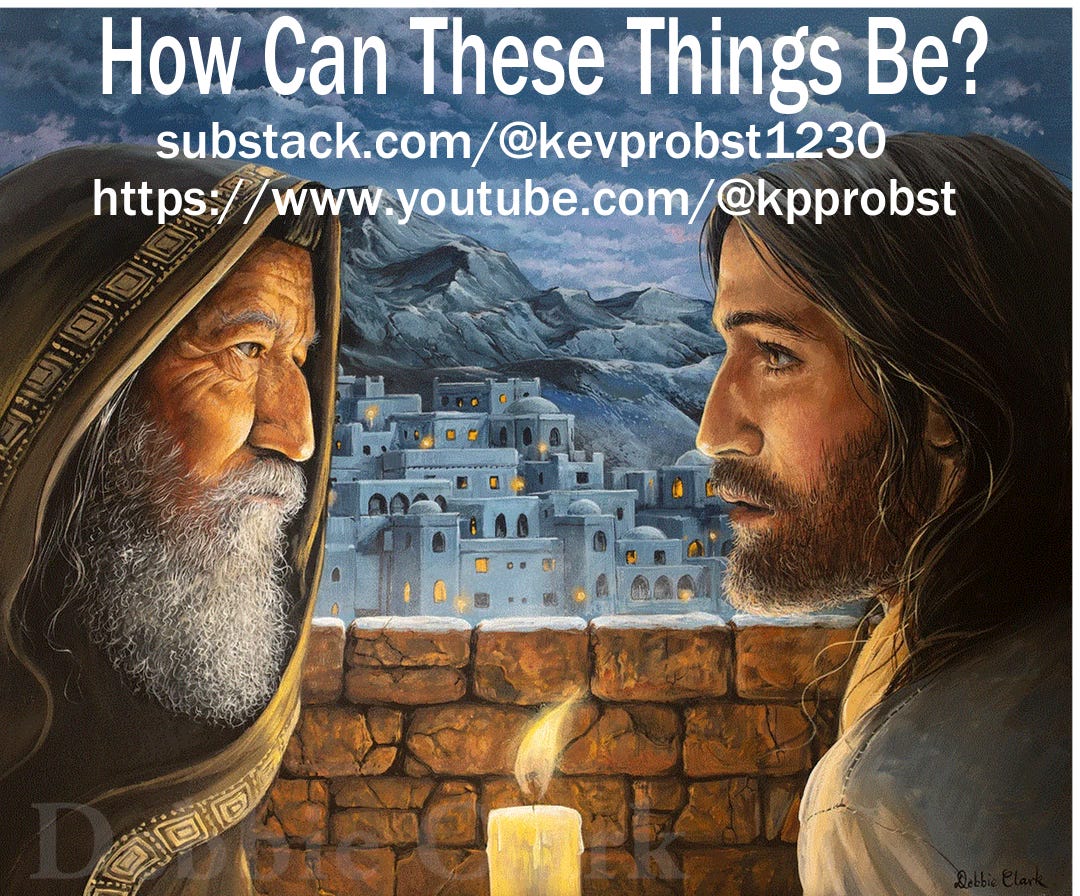
Nicodemus asked to meet Jesus after dark. Millions of lives in generations to come would be impacted by this one candlelit conversation.

“How Can These Things Be”?
Kevin Probst
12/23/2024
One night in the life of Jesus he met with one man named Nicodemus who was a ruler among his people and a man of great influence. The conversation that took place between Jesus and this prominent Pharisee would impact all of mankind for thousands of years to come.
It is important to realize how willing Christ was to meet people on an individual basis. Have you ever sent your prayers heavenward and wondered, my prayer is but one of millions and millions of prayers ascending to the heart of God on this day. Does my prayer get lost among the many prayers that may be more sincere or more urgent? Take comfort in the fact that Christ often demonstrated his compassion for each and every individual. He spent time with the woman at the well. He paused to call upon the small man who climbed the Sycamore tree. He answered questions from Pilate. He met Saul on the road to Damascus. He ministered to the thief on the other cross as he was preparing to make the ultimate sacrifice for our salvation. Your prayers reach his heart.
Jesus carved out time from his busy schedule for Nicodemus who had requested this appointment with Jesus to take place under the cover of darkness. It might be that he was a very busy man and was only able to meet Jesus after his workday was complete. Maybe he feared his reputation would be tarnished if others saw him conversing with such a controversial figure as Jesus. It is more likely he was overwhelmed by curiosity. While not yet fully convinced of the divine nature of Christ, he planned this meeting to see Jesus. He had seen his miracles and was perplexed. He had heard his words and he was confused. He had seen his following and he was impressed. He wanted a one on one, uninterrupted conversation with Jesus.
Nicodemus opens the conversation by referring to Jesus as “Rabbi.” This is a title of great respect. He continued to honor the “Rabbi” by declaring that he was certainly sent from God, this being his only explanation for the miraculous things Jesus was able to do. But Jesus was not about making small talk with Nicodemus. Instead, he gets straight to the point: “Most assuredly, I say to you, unless one is born again, he cannot see the kingdom of God.” (John 3:3)
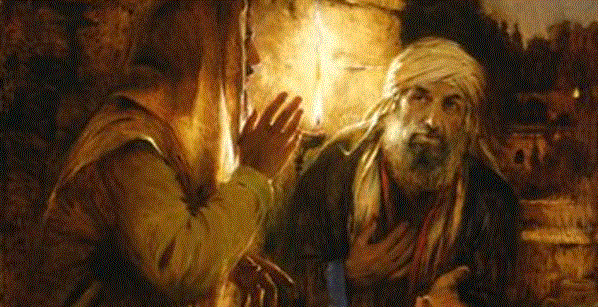
Nicodemus must certainly have been surprised by such a statement and he revealed his confusion in his response: “How can a man be born when he is old? Can he enter a second time into his mother’s womb and be born”? (John 3:4) Nicodemus was obviously a brilliant man, a natural leader, enamored with wonderful qualities and yet here he was, looking Truth in the face and unable to recognize Him.
Does he not represent so many church goers today? They are very knowledgeable. They know scripture. They know doctrine. But do they know Jesus? They are very religious but are they religious in name only, not actually understanding true salvation? Do we abide by the rules and laws of God, yet fail to see who Jesus is? Do we really understand and embrace his purpose in our lives? Are our leaders, our pastors sharing the good news, or are they simply motivational, entertaining speakers sharing an incomplete Gospel message? Are they more like Jesus or are they more like Nicodemus?
For emphasis, Jesus reveals to Nicodemus the importance of this truth by repeating it: “Most assuredly, I say to you, unless one is born of water and the Spirit, he cannot enter the kingdom of God.” (John 3:5)
The root of Nicodemus’ confusion was his inability to comprehend a concept that was supernatural. He was a very well educated man and understood the natural world quite well. He was an esteemed teacher among the Jewish people. Jesus scolded him for his inability or his unwillingness to understand supernatural truths. God’s supernatural plan for the salvation of men cannot be comprehended in our humanity, it is understood through spiritual insight only. This is why our acceptance of this plan is based on faith, not our ability to understand it or analyze it.
One who is “born again” experiences a crisis moment in their life where confession and repentance leads to a belief in Christ Jesus that opens the door to radical transformation of the heart and mind. When confronted with the possibility of experiencing forgiveness of sins and establishing a personal, meaningful, comforting relationship with Jesus, the Son of the Living God, Nicodemus was stuck in an intellectual ditch: “How can these things be?” (John 3:9)
Jesus answered Nicodemus’ question regarding the wonder of the things He had said but Nicodemus would not “receive” His testimony. The things about which Jesus spoke were earthly things — events and happenings which took place physically. He said, “If I have told you earthly things and you do not believe, how can you believe if I tell you heavenly things?” (John 3:12).
It is a prevalent question among seekers today. How can it be that God would love us so much as to sacrifice his own son for our eternal salvation? “What do these words mean?” “How can these things be?”
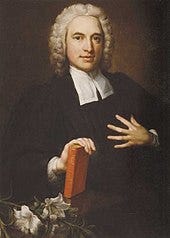
One of the greatest hymn writers of all time, Charles Wesley, expressed it so well”
“And can it be that I should gain
An int'rest in the Savior's blood?
Died He for me, who caused His pain?
For me, who Him to death pursued?
Amazing love! how can it be
That Thou, my God, should die for me?
Long my imprisoned spirit lay
Fast bound in sin and nature's night;
Thine eye diffused a quick'ning ray,
I woke, the dungeon flamed with light;
My chains fell off, my heart was free;
I rose, went forth and followed Thee. - - Charles Wesley
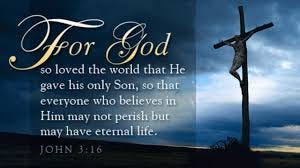
Perhaps the most popular verse in scripture were words spoken by Jesus to Nicodemus: “For God so loved the world that He gave His only begotten Son, that whoever believes in Him should not perish but have everlasting life.” (John 3:16)
Who could resist such love? Who could reject such truth? Jesus continues his conversation with Nicodemus by giving him a reason why so many resist the truth and shade themselves from the light of his salvation. He said: “For everyone practicing evil hates the light and does not come to the light, lest his deeds should be exposed.” (John 3:20)
Christ has assured us that as hateful as many are toward the truth, that light cannot be extinguished. “The light shines in darkness, and the darkness never extinguishes it.” (John 1:5) Jesus taught Nicodemus and he is teaching us that we are to reflect this light. “You are the light of the world—like a city on a hilltop that cannot be hidden. No one lights a lamp and then puts it under a basket. Instead, a lamp is placed on a stand, where it gives light to everyone in the house. In the same way, let your good deeds shine out for all to see, so that everyone will praise your heavenly Father.” (Matthew 5:14-16)
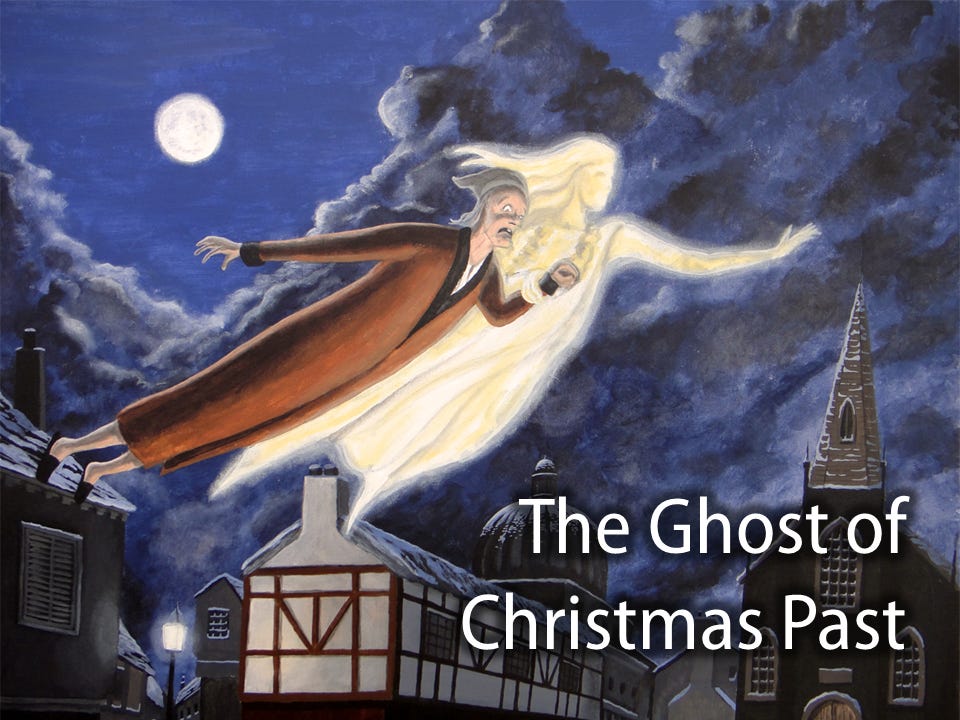
Consider what Charles Dickens wrote about Scrooge in A Christmas Carol. Scrooge tries and tries to extinguish the light which emanated from the spirit of Christmas past. He wanted so much to snuff out that light because it illuminated his past and those memories of his past were too painful to bear. It was bright, it was persistent and it would not be quenched. Nicodemus approached Christ in darkness. What he found was the Light of the World. Darkness indeed will never overcome Him.
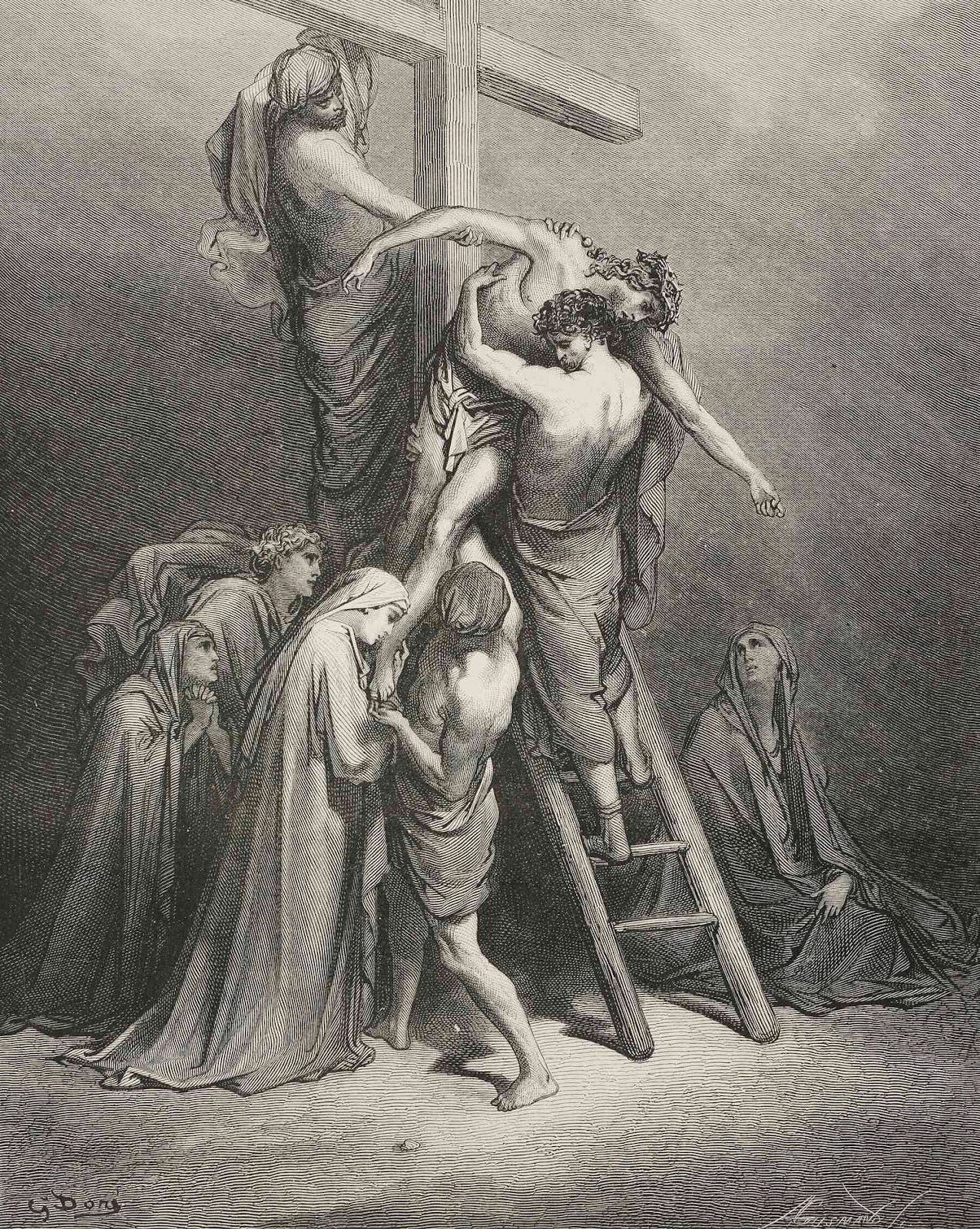
Nicodemus had much to contemplate as he left Jesus that night? Did he ever become a true follower of Christ? It seems that he did. Later, the apostle John records Nicodemus refuting the Sanhedrin after they arrested Jesus and failed to give him a fair trial. (John 7:50-52) Our last record of Nicodemus tells us that he and Joseph of Arimathea are cooperating together to prepare for the burial of Christ. This was a risky and dangerous thing for Nicodemus to do but it may well indicate that since that candlelit conversation with Jesus, his faith had grown to the point where he was now bold and unashamed to reveal his devotion to Christ, no longer secretly, but publicly.
Mathew Henry said: “And though now he came by night, afterward he owned Christ publicly,”
Might we who are His followers so boldly let our lights shine before men!